


Most OEMs use their parts catalog for one primary purpose, which is identification. Dealers search by VIN, serial number, model or diagram. They find the part number and the order goes to the ERP for placement.
While it works, it leaves a critical question unanswered: Is your catalog only helping dealers identify parts or is it helping you sell more of them?
The challenge is that most parts lookup systems in the market stop at identification. They help you identify parts, but when it comes to actually running your spare parts business (which involves managing orders, tracking returns, selling accessories and enabling B2B and B2C channels), you often need to rely on disconnected systems and manual work.
It might result in disconnected workflows, data silos, missed opportunities and operational inefficiencies, which can directly affect spare parts sales and your bottom line.
Leading OEMs and distributors are recognising that a robust parts lookup is just the starting point. You rather need a comprehensive platform combining powerful parts identification with complete business management capabilities to compete effectively in the competitive aftermarket environment.
The Essential Foundation: Robust Parts Lookup

A good parts lookup system needs to have multiple search methods like VIN or serial number lookup, keyword search, visual exploded diagrams and equipment hierarchy navigation. Some other critical capabilities that it should have include supersession handling, cross-reference capabilities for interchangeable parts and detailed part information, which goes beyond just part numbers.
Many businesses use parts lookup systems for identification and handle ordering through their ERP system. While this workflow works and there is nothing wrong with it, the question is what opportunities you are missing by stopping there.
The Integration Gap: Where Most Systems Fall Short

If your parts lookup system handles part identification mainly, you will need to maintain separate solutions for the other aspects of your parts business.
Disconnected ordering workflows
While users can identify parts in one system, they must switch to another to place orders. This context switching does not just slow the process, but can also lead to an increase in errors.
No Visibility During Lookup
This means dealers cannot see real-time inventory availability or pricing when they are searching. They will need to check another system after parts identification, which can reduce conversion rates.
Missed Cross-selling Opportunities
It happens when your lookup system cannot suggest related items or handle transactions, which means you lose easy opportunities for accessory sales.
Complex Multi-channel Management
This will require several separate systems if you want to sell parts directly to end customers (B2C) while also supporting dealers (B2B) and enabling dealers to sell to their customers (B2B2C).
Limited promotional capabilities
This means running special programs will require coordination between different systems. Moreover, dealers must manually track discounts.
Inadequate Returns Management
A lack of adequate parts return management means returns happen through separate workflows, which makes it difficult to track return reasons or analyse patterns.
These gaps can mean lost efficiency, missed revenue or both.
The Comprehensive Solution: Essential Commercial Extensions for Complete Parts Management
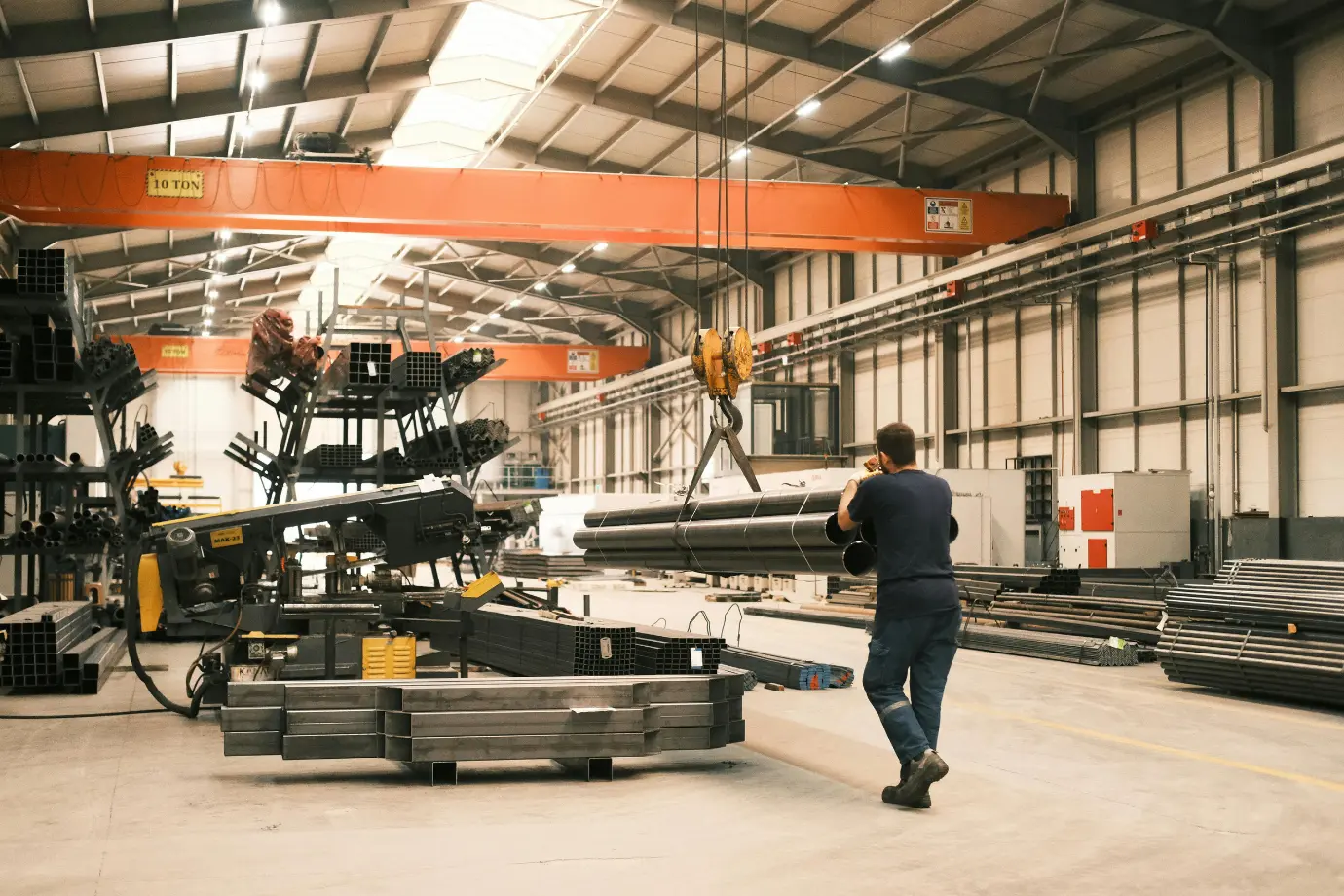
Leading OEMs and distributors are moving to comprehensive spare parts catalog software. For OEMs that want their catalog to do more than just basic lookup, additional capabilities can help transform it into a commercial platform. For example, modern solutions such as Intelli Catalog offer these platforms that include:
Integrated Order Management & Tracking
For networks that prefer to complete the transaction within the same system, order management can happen directly inside the catalog, with tracking visibility for dealers.
Accessories & Cross-Sell Layer
When dealers identify a part, the system can recommend compatible accessories. This increases average order value without relying on memory or manual effort.
B2C Enablement
OEMs may extend the same structured catalog to equipment owners that allows direct ordering where business models permit.
B2B2C Distribution Layer
While distributors and retailers may access catalog data, display parts, manage local inventory and sell via their own channels, the OEM retains structural control.
Discount and Special Program Governance
Volume schemes, loyalty programs and seasonal campaigns can be configured inside the catalog environment, rather than being managed manually.
Structured Parts Returns
Returns initiated within the same system offer cleaner data on failure patterns and dealer behaviour.
The Business Case: Integration Drives Results

Moving to a comprehensive integrated platform can help achieve measurable results. When dealers are able to check availability, pricing and related items, conversion rates can grow. The friction that occurs due to switching systems is eliminated. Integrated cross-selling and accessory recommendations mean you can increase spare parts sales.
Moreover, unified workflows which reduce manual data entry, minimise errors and free up staff time, lead to improved operational efficiency. If all parts-related activities happen in one platform, it leads to better data and insights. This also provides comprehensive visibility into your entire operation.
If dealers can accomplish everything through one intuitive platform, from identifying parts to placing orders and processing returns, it results in higher dealer satisfaction. B2C and B2B2C capabilities can open new revenue channels by serving customers who prefer direct ordering while expanding online presence through dealer networks.
Organisations that make this transition can typically see ROI in 12 to 18 months through increased sales, reduced operational costs and improved dealer productivity.
Conclusion
Parts lookup systems are absolutely essential as they are the foundation on which everything else is built. However, the question is what you are building on top of that foundation.
If you are dealing with multiple separate systems to handle ordering, returns, multichannel sales, promotions and other critical functions, you are not just accepting extra complexity but also leaving money on the table. Apart from that, every integration point between disconnected systems can be a source of errors, inefficiency and missed opportunities.
The leading OEMs and distributors recognise that comprehensive spare parts catalog software platforms (the ones that combine excellent part lookups with integrated business management capabilities) deliver improved results with reduced complexity. These platforms enhance the importance of parts lookup by creating seamless workflows benefitting everyone involved while also driving spare parts sales growth.
While your parts lookup system is essential, you need to ensure it has everything else that you need to successfully run your spare parts business.
Explore what a fully integrated parts platform could look like for your organization. Book a Free Demo
FAQs
1. Can I keep using my ERP system for ordering while using a comprehensive parts platform for lookup?
Yes, you can, and many organisations prefer this approach. While the parts platform handles identification by providing strong lookup capabilities, orders are submitted to your ERP system via API integration.
2. Will comprehensive parts software work with our existing systems?
Yes, it will work with your existing systems. Modern spare parts catalog software solutions can easily integrate with existing ERP and dealer management systems through APIs and data synchronisation.
3. How does spare parts catalog software like Intelli Catalog handle multi-channel sales?
Modern spare parts catalog software like Intelli Catalog offers dedicated modules for different sales channels. While with the B2C module, you can sell directly to end customers, the B2B2C module extends catalog access to your dealer network.


Explore More Insights





.webp)


About the Author


Chandra Shekhar
Chandra Shekhar is the Senior Manager, Strategy & Business Development at Intellinet Systems. With over a decade of experience in the automotive industry, Chandra Shekhar has led digital transformation and aftersales strategy initiatives for OEMs across multiple markets. His background combines deep industry knowledge with a practical understanding of how technology can solve real operational challenges. He focuses on making complex ideas clear and relevant for automotive and aftermarket professionals navigating ongoing change.


