


In the construction equipment industry, warranty disputes are a costly challenge that slows down claim resolution, increases operational costs, and creates frustration across dealer networks. Warranty disputes are a threat to profitability and customer trust.
For decades, construction equipment warranty claims have depended heavily on a tangled mess of paperwork, subjective technician narratives, inconsistent dealership documentation, delayed OEM approvals, and supplier disputes. As a result, warranty claim management often becomes a source of frustration rather than a safety net. Often, claims are submitted with missing service records or incorrect part numbers, leading to rejection and ongoing disputes. These disputes result in high processing costs, slow reimbursements, and revenue leakage across the dealer network.
Today, as the construction equipment industry becomes more software-driven, OEMs are shifting toward tighter cost control and AI-powered warranty claim automation. Instead of a traditional warranty claim process, OEMs can now run a fully digitised warranty operation that reduces warranty disputes and detects fraud early, and improves overall claim efficiency.
This blog covers how construction equipment OEMs can reduce warranty disputes through structured digital processes, and where the biggest operational gains are hiding.
The Scale of the Problem: What Warranty Disputes Actually Cost

Warranty costs are a significant line item for any equipment OEM. According to Warranty Week, the construction and agricultural equipment sector typically spends between 1.5% and 3% of annual revenue on warranty claims. For a mid-sized OEM with $500 million in revenue, that is up to $15 million a year.
A significant portion of that spend is tied to disputed or incorrectly filed claims. Studies by PTC indicate that up to 25% of warranty claims submitted by dealers contain errors or missing data, which triggers manual review cycles, back-and-forth communication, and delayed reimbursement.
Each disputed claim adds administrative overhead. It consumes time from warranty analysts, service engineers, and dealer contacts. The direct cost is measurable. The indirect cost, which includes dealer dissatisfaction and delayed machine return to service, is harder to quantify but equally real.
Why Disputes Happen: The Documentation and Process Gap
Warranty disputes remain one of the biggest bottlenecks for construction equipment OEMs. Traditional warranty processes rely on paperwork, spreadsheets, and reactive audits, which cannot keep up with the volume, speed, and complexity of today’s construction equipment network, leading to warranty disputes.
Most warranty disputes in construction equipment OEM operations trace back to one of five problems:
- Technicians follow an outdated repair process because they are working from old PDF manuals or printed copies.
- Claim forms are filled manually, which can introduce data entry errors on part numbers, failure codes, or labor hours.
- No digital record of which service manual version the technician used during the repair.
- Often, dealers submit claims that do not match OEM eligibility criteria because those criteria were updated after the manual or bulletin was printed.
- OEM warranty teams cannot verify what was done in the field because no structured digital record of the service event exists.
Each of these failures has a digital fix. The challenge for most OEMs is that the fixes need to work together, not in isolation.
Book a demo with the Intelli Warranty team and experience firsthand how our AI-driven warranty management software can streamline claims submission, faster claim validation, reduce warranty disputes, and lower operational costs.
How Digitization Reduces Warranty Disputes at the Source
Automation and digitisation bring structure and intelligence to the warranty claim management process that has historically been reactive and manual. Here’s how warranty claim automation reduces warranty disputes:
1. Structured Digital Service Manuals Prevent Procedure Errors
When technicians rely on static PDF manuals, enforcing version control across a dealer network becomes nearly impossible. A technician in a field workshop may be using a file that is months out of date. If a warranty claim is based on a repair procedure that has since been updated, the OEM has valid grounds to dispute it and often does.
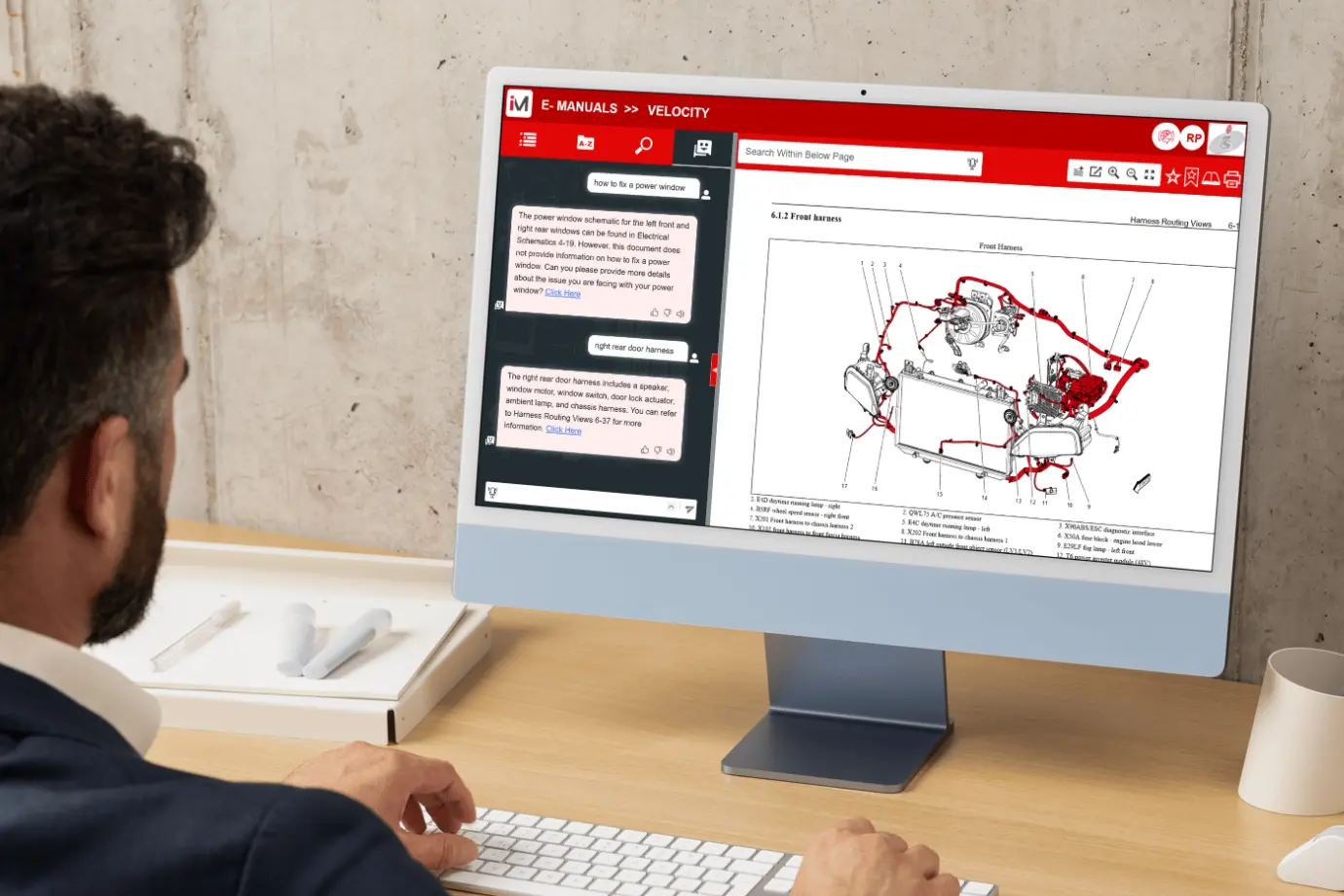
Structured interactive digital manuals solve this by converting PDF content into web-based HTML with version-controlled access. Every technician accessing the manual through a connected system is always reading the current version. There is no risk of unknowingly using an outdated or superseded procedure.
Intelli Manual converts large PDF service manuals into AI-powered interactive HTML, with full-text search, SVG image zoom, bookmarking, and direct integration with parts catalogs. Technicians can find the exact procedure they need in seconds, and the system logs which version they accessed. That audit trail becomes critical when reviewing and validating warranty claims.
2. Warranty Claim Automation Cuts Data Entry Errors
Manual claim submission is a major source of accuracy issues in warranty management. When dealers submit claims using paper forms or disconnected spreadsheets, errors in part numbers, failure descriptions, and labor hour calculations are common. These inaccuracies often lead to immediate rejections or trigger prolonged dispute cycles.
Warranty claim automation replaces it with structured digital workflows. A claim is built from validated data: the part number is selected from the electronic parts catalog, the failure code is chosen from a defined list, and labor time is pulled from a pre-approved schedule. The result is a warranty claim that meets OEM submission requirements from the outset, with accurate, complete data and minimal risk of errors.
According to McKinsey, OEMs who have automated their warranty workflows can reduce claim processing time by 30 to 50% and see measurable reductions in dispute rates. This reduction in claim processing time and dispute rates is achieved by eliminating the manual data entry, the primary source of errors in the process.
3. Real-Time Claim Accuracy Checks Before Submission
One of the most effective ways to reduce warranty disputes is to catch eligibility and accuracy problems before the claim ever leaves the dealer. Automating warranty validation rules lets each submitted warranty go through a few checks to see whether the claimed part is covered under the applicable warranty period, whether the failure code is consistent with the part, and whether the labor hours claimed fall within approved limits.
This kind of pre-submission screening eliminates the most common rejection causes before they escalate into warranty disputes. It also helps educate dealers over time on what a correct claim submission looks like, gradually reducing error rates in future claims.
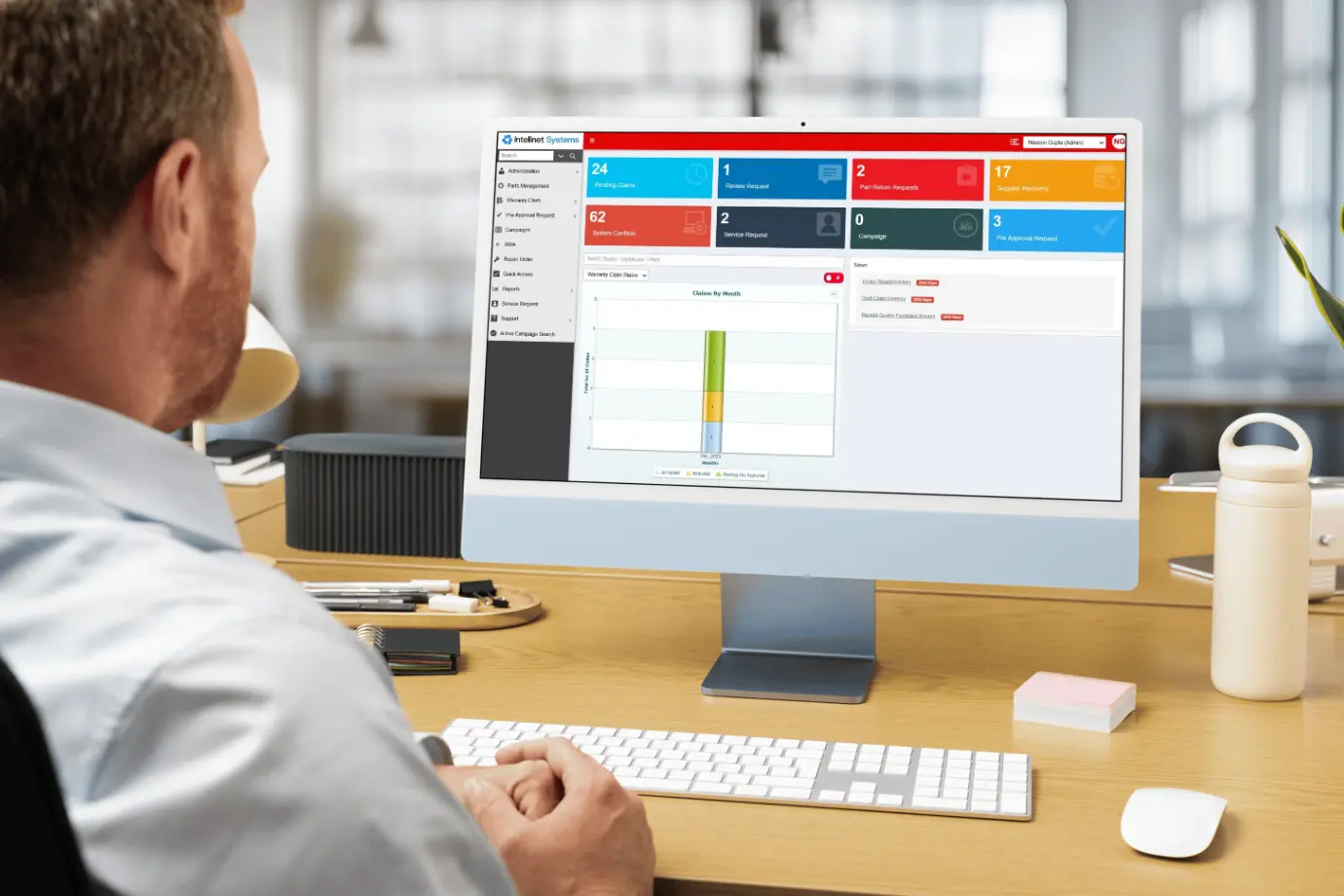
Intelli Warranty includes configurable validation rules that flag incomplete or ineligible claims before submission, reducing back-and-forth between OEM warranty teams and dealers. The platform also manages supplier recovery, allowing OEMs to pass validated claims back to component suppliers if and when applicable.
The Role of Technical Bulletins in Dispute Prevention
A significant number of warranty disputes in the construction equipment sector arise when an OEM technical service bulletin is issued but not received or acknowledged by the dealer. As a result, the technician performs a repair using the old procedure, and the OEM rejects the claim because the updated bulletin required a different approach.
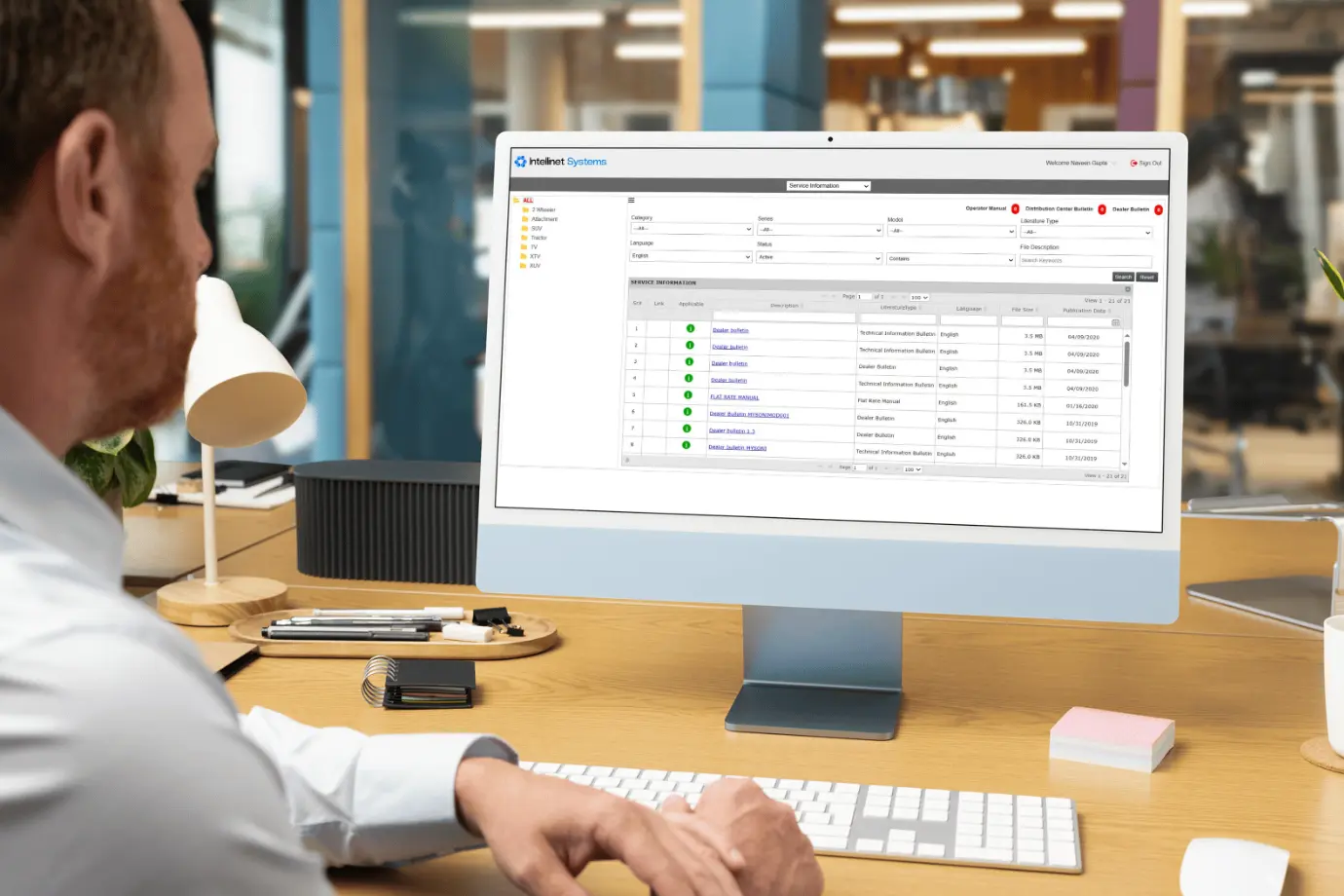
Digitizing the technical bulletin eliminates this gap. When bulletins are issued through an electronic system with delivery confirmation and acknowledgment tracking, the OEM has a clear record of whether the dealer received the relevant notice before the repair was performed. This makes disputes based on bulletin non-receipt much harder to justify.
The Intelli Bulletin platform is designed specifically for OEM dealer networks. It enables structured digital bulletin distribution, read receipts, and searchable bulletin archives that dealers can access in the field. When integrated with Intelli Warranty, it further strengthens dispute prevention by ensuring that verified communication records support every claim decision.
Claim Accuracy and Cost Reduction: What the Data Shows
The business case for warranty digitization is well documented. A Tech Mahindra study found automating the warranty claim process reduced warranty costs by 15 to 25% and a 30 to 40% decrease in fraudulent and out-of-warranty claims. It even indicates that warranty operational costs for manufacturers with automated systems are 30 to 35% lower than those relying on manual processes.
For construction equipment OEMs specifically, the combination of digital service manuals and automated warranty workflows creates a compounding effect. When technicians use structured digital manuals with version control, the repair is more likely to be correct. When the claim is submitted through an automated system with validation rules, the documentation of that repair is more likely to meet OEM submission standards. Disputes fall because the conditions that generate them are removed.
The cost reduction benefit follows. Fewer disputes mean less time spent on claim adjudication, fewer credit reversals, and lower administrative overhead across both the OEM and the dealer network.
Analytics: The Tool That Stops Disputes Before They Start
One underutilized capability in digital warranty systems is analytics, as warranty data is a treasure trove of information waiting to be unlocked. Most OEMs use warranty data reactively, reviewing disputes after they occur. Leading OEMs use it proactively to reduce current warranty claims, anticipate future ones, and implement targeted improvements in their parts quality.
When warranty claim data is structured and searchable, patterns emerge. A cluster of claims from a specific dealer using the same failure code on a particular component may indicate a documentation gap, a training need, or a product quality issue. Identifying this pattern early allows the OEM to act before it becomes a dispute trend.
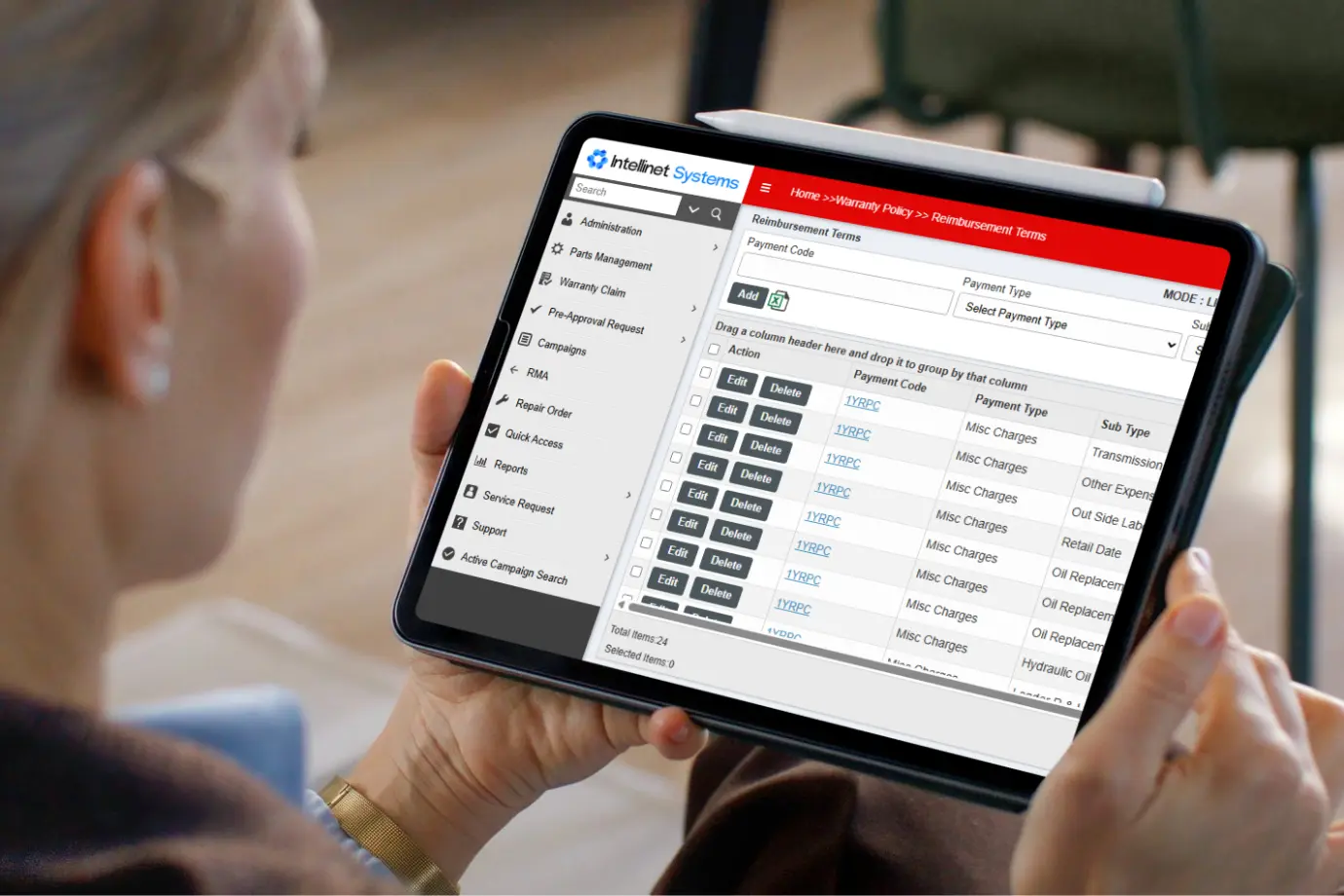
Advanced analytics dashboards within platforms like Intelli Warranty make these patterns visible to warranty managers in real time. OEM teams can monitor claim approval rates by dealer, model, failure type, and region, then use that data to drive targeted improvements in documentation, training, and parts quality. Advanced analytics dashboards within platforms like Intelli Warranty make these patterns visible to warranty managers in real time.
Conclusion
Warranty disputes are not an inevitable cost of doing business for construction equipment OEMs. They are the result of documentation gaps, process breakdowns, and data errors, all of which digitization and automation directly address.
When technicians work from version-controlled digital service manuals, when claims flow through automated systems with real-time validation, and when warranty analytics surface problems before they become patterns, the dispute rate falls. So does the cost.
OEMs that embrace AI-enabled digital warranty management solution, such as Intelli Warranty, operate with better visibility across dealer networks, have higher claim accuracy, fewer disputes, and lower total warranty cost.
FAQ
How does warranty data help in reducing part failures?
Warranty data is crucial in identifying patterns and trends in part failures, enabling construction equipment OEMs to conduct root-cause analysis and implement corrective measures to reduce future issues.
What are the financial benefits of leveraging warranty data?
Leveraging warranty data can lead to cost savings by minimizing warranty claims, optimizing spare parts inventory management, and detecting fraudulent activities within repair networks.
Why is AI important for construction equipment warranty claim management?
AI eliminates manual errors, speeds up approvals, reduces warranty leakage, and gives OEMs real-time visibility into failure patterns and dealer performance.
Can dealers benefit from AI-based warranty systems?
Yes. Dealers get faster reimbursements, fewer rejections, and more clarity on claim submissions.


Explore More Insights







.webp)


About the Author


Chandra Shekhar
Chandra Shekhar is the Senior Manager, Strategy & Business Development at Intellinet Systems. With over a decade of experience in the automotive industry, Chandra Shekhar has led digital transformation and aftersales strategy initiatives for OEMs across multiple markets. His background combines deep industry knowledge with a practical understanding of how technology can solve real operational challenges. He focuses on making complex ideas clear and relevant for automotive and aftermarket professionals navigating ongoing change.


